
The creative industry is undergoing a massive shift. A few years ago, creating a successful application or website meant focusing on basic aesthetics and functionality. Now, audiences expect immersive, interactive, and highly personalized experiences every time they look at a screen. This shift has completely changed how creative teams operate, moving them away from rigid workflows and towards highly adaptable frameworks.
Understanding how to navigate these changes is vital for anyone involved in building online experiences. Technology is advancing rapidly, bringing new tools and methodologies to the forefront of creative workflows. Teams that adapt to these new standards are finding better ways to connect with their audiences, while those relying on outdated methods struggle to maintain engagement.
This article explores the major trends currently shaping digital design media production. We will examine how new technologies, evolving studio models, and advanced consulting roles are redefining the way creative projects are built and executed. By understanding these shifts, you can better position your next project for long-term success.
Redefining the Digital Product Design Process
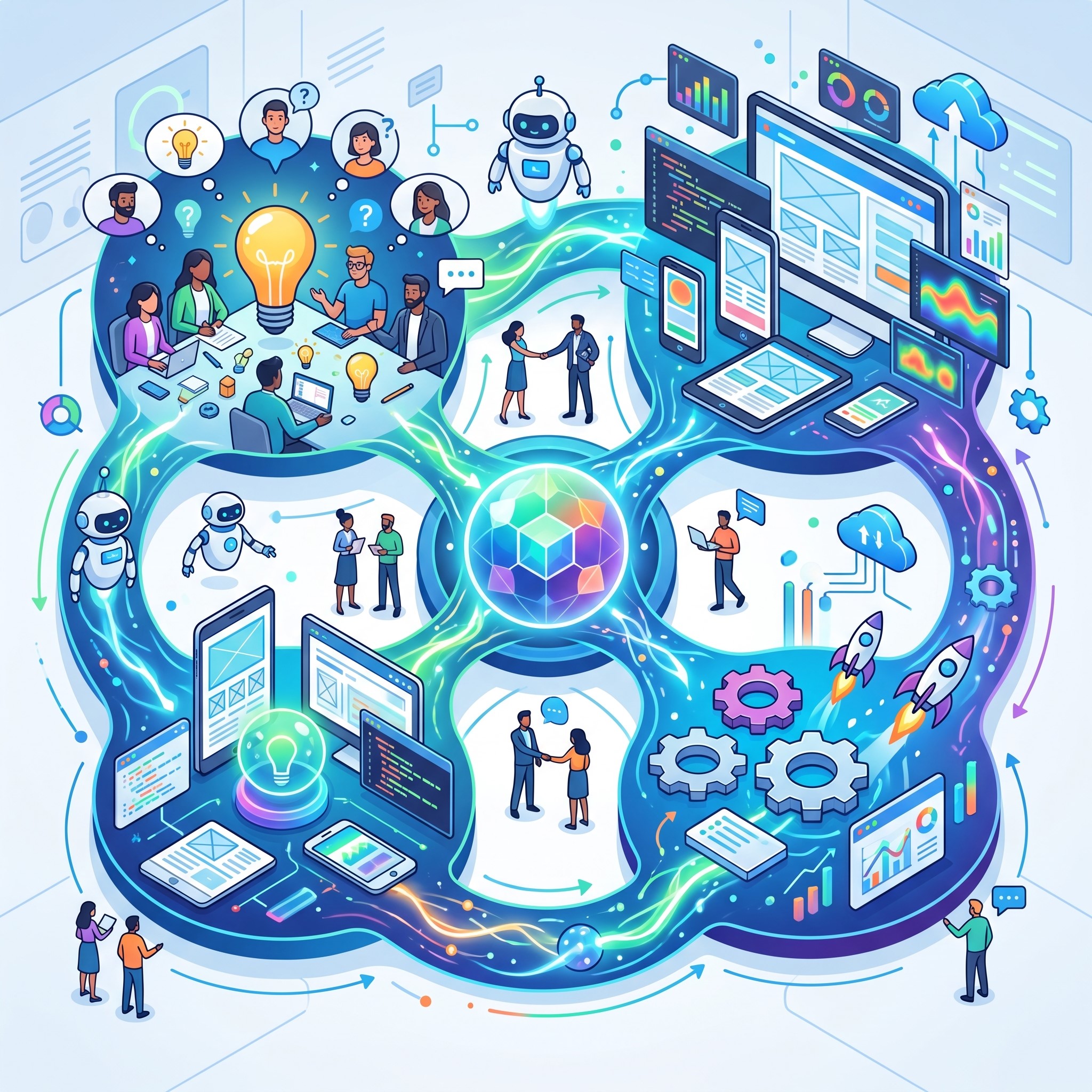 The traditional approach to building software or media often followed a linear path. One team would finish their part of the project and hand it off to the next. This method often led to miscommunication, delayed timelines, and products that felt disconnected from the original vision.
Today, the digital product design process relies on continuous collaboration. Designers, developers, and strategists work simultaneously from the very beginning. This concurrent workflow allows teams to identify potential issues early and pivot quickly when user feedback suggests a different direction.
Agile Methodologies and Rapid Prototyping
Agile frameworks have completely altered the production timeline. Instead of waiting months for a finished product, teams build rapid prototypes. These functional mockups allow stakeholders to interact with the core features of a project within weeks. Testing these prototypes with real users generates immediate, actionable data.
By prioritizing rapid iteration, teams eliminate guesswork. They stop spending resources on features that users do not want. This highly iterative approach ensures the final release is polished, user-centric, and aligned with market demands.
Data-Driven Creative Decisions
Creativity is no longer based solely on intuition. Modern production heavily relies on behavioral analytics, heatmaps, and A/B testing. This data informs everything from color palette choices to the placement of navigation buttons. By blending hard data with creative vision, teams can craft experiences that look beautiful and perform exceptionally well.
The Rise of the Digital Product Design Studio
As projects become more complex, many organizations are realizing they cannot handle every aspect of production internally. Building a comprehensive in-house team requires significant time, capital, and management overhead. This reality has fueled the rapid growth of the specialized digital product design studio.
Access to Multidisciplinary Talent
A dedicated studio brings together experts from various disciplines. You are not just hiring graphic designers. You gain access to motion animators, UX researchers, 3D artists, and creative technologists. Having this diverse skill set under one roof ensures that all aspects of digital design media production are cohesive.
When a company partners with a specialized studio, they bypass the lengthy hiring process. They can immediately leverage a seasoned team that already has a proven workflow and a deep understanding of current industry standards.
Focus on Holistic User Experiences
These studios look beyond the surface level of a project. They map out the entire user journey, identifying every touchpoint a customer has with a brand. This holistic view ensures consistency across mobile apps, web platforms, and augmented reality interfaces. The goal is to create a seamless transition as users move between different devices and platforms.
Key Trends in Digital Design Media Production
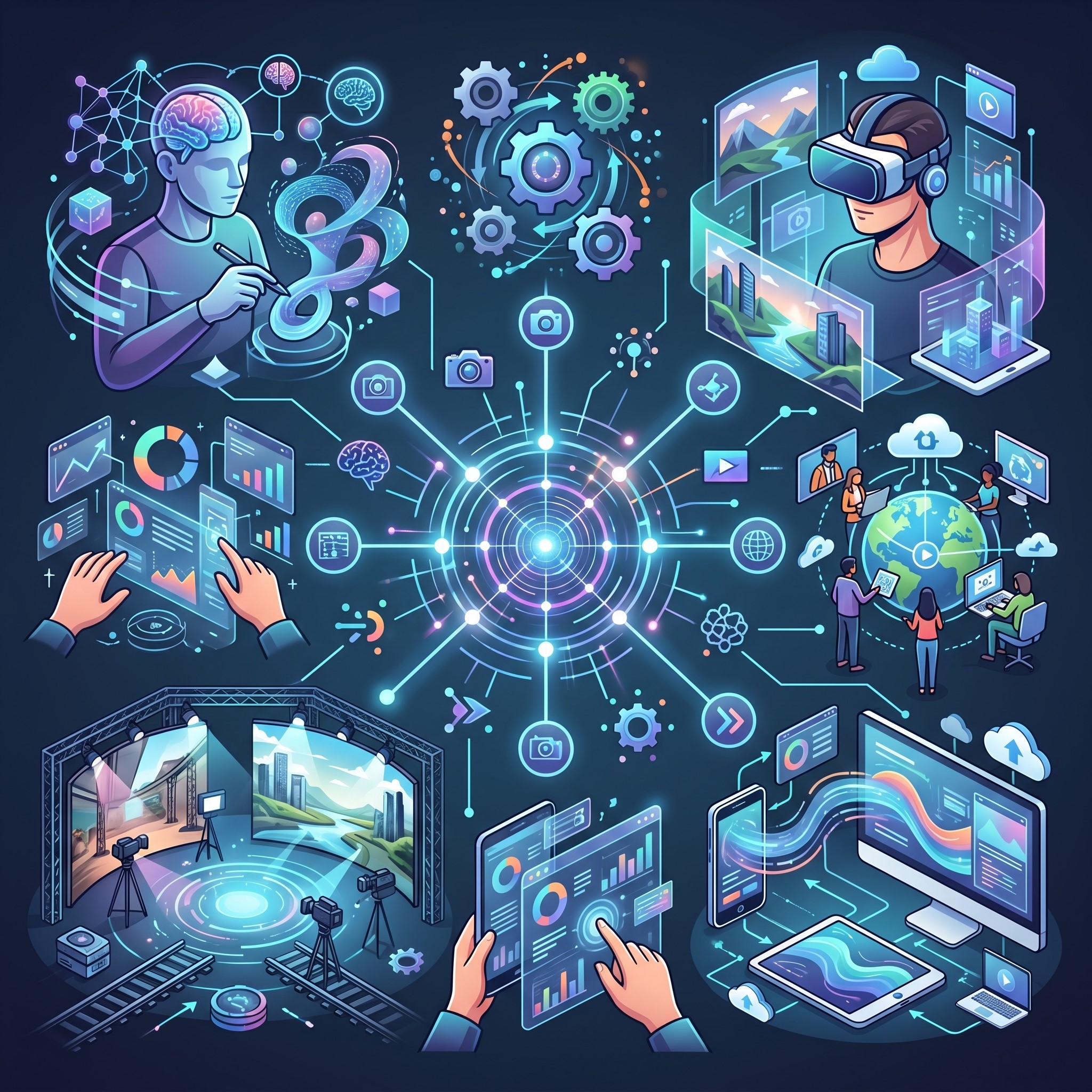 Technology dictates what is possible on a screen. As processing power increases and internet speeds accelerate, designers are pushing the boundaries of visual media. Several distinct trends are currently dominating the production landscape.
3D Elements and Immersive Environments
Flat design has been the standard for the better part of a decade. Now, three-dimensional elements are making a massive comeback. Advances in web-based rendering allow browsers to handle complex 3D graphics without slowing down page load times.
Interactive 3D models allow users to rotate and inspect products before making a purchase. Virtual environments are becoming common in educational platforms and digital events. These immersive elements capture attention and significantly increase the time a user spends engaging with the content.
Artificial Intelligence as a Creative Partner
Artificial intelligence is rapidly altering the production landscape. It is not replacing designers; rather, it is automating repetitive tasks. AI tools can instantly generate thousands of layout variations, remove backgrounds from images, and even suggest accessible color palettes.
This automation frees up human creatives to focus on high-level strategy and complex problem-solving. By integrating AI into their daily workflows, production teams can deliver high-quality work at a much faster pace.
Motion Graphics and Micro-interactions
Static pages struggle to hold user attention. Motion graphics inject energy into an interface, guiding the user’s eye toward important information. This can range from a subtle loading animation to a complex cinematic sequence that explains a brand’s mission.
Micro-interactions are small, functional animations that provide immediate feedback. When a user clicks a button, it might change color or emit a soft pulse. These tiny details make a digital environment feel responsive and alive, greatly enhancing user satisfaction.
Accessibility and Inclusive Design
Designing for everyone is no longer an afterthought. True digital design media production prioritizes accessibility from day one. This means ensuring text has sufficient contrast, providing alt-text for screen readers, and building navigation that can be operated via keyboard.
Inclusive design broadens your potential audience. It ensures that people with visual, auditory, or motor impairments can interact with your media without frustration. Beyond the ethical implications, accessible design is increasingly mandated by international regulations, making it a critical component of any new project.
The Role of a Digital Product Design Consultant
Even with a talented team and cutting-edge tools, projects can veer off course without strong leadership. Many organizations struggle to align their creative outputs with their overarching business goals. This is exactly where a digital product design consultant becomes invaluable.
Bridging Strategy and Execution
A consultant acts as the bridge between executive stakeholders and the creative production team. They assess the market landscape, analyze competitor products, and define the core objectives of a project.
They ask the difficult questions early in the process. Who is the target audience? What problem does this media solve? How will we measure success? By answering these questions upfront, the consultant prevents scope creep and keeps the team focused on delivering a product that generates tangible business value.
Optimizing Workflows and Resources
Consultants also evaluate the internal processes of an organization. They identify bottlenecks that slow down production and recommend new software tools to improve collaboration. Their objective perspective allows them to spot inefficiencies that internal teams might overlook. By streamlining the workflow, a consultant helps organizations maximize their creative budget and launch their projects faster.
The Importance of Design Systems in Modern Production
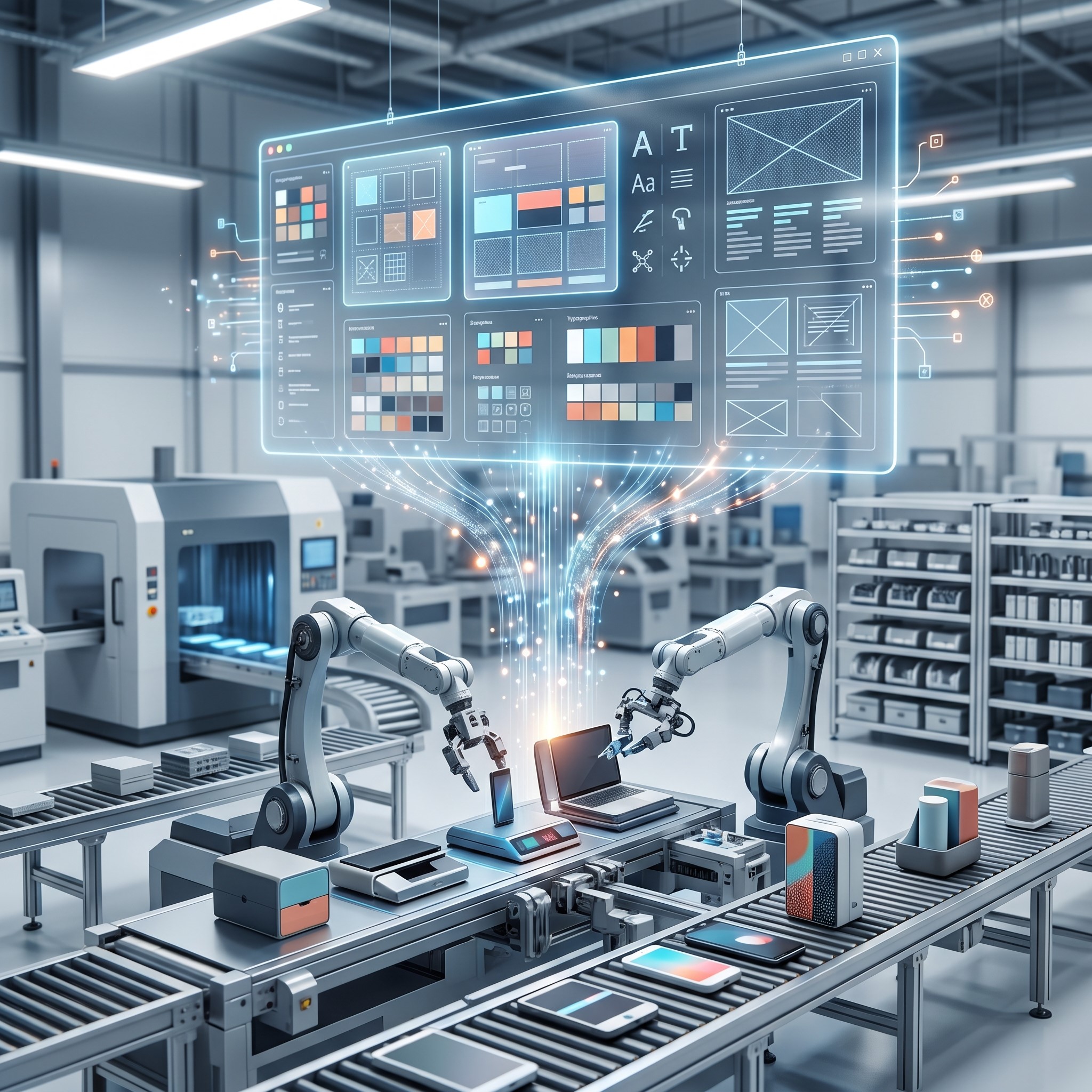 As digital projects grow in scale, maintaining consistency becomes increasingly difficult without a structured design system. A design system acts as a centralized library of reusable components, including typography rules, color palettes, UI elements, and interaction patterns. This ensures that every team member works from the same visual and functional blueprint. In digital design media production, design systems significantly reduce development time and eliminate inconsistencies across platforms. They also improve collaboration between designers and developers by creating a shared language. When properly implemented, a design system allows teams to scale products faster while maintaining a cohesive and professional user experience across all digital touchpoints.
User-Centered Design as a Core Strategy
Modern digital experiences are no longer built around what looks good—they are built around what works best for the user. User-centered design places audience needs, behaviors, and expectations at the core of every decision. This approach involves research methods such as user interviews, journey mapping, and usability testing. By continuously gathering feedback, teams can refine their designs to better match real-world usage patterns. In digital design media production, this strategy ensures that products are not only visually appealing but also intuitive and efficient. When users feel understood, engagement increases, leading to stronger retention, higher satisfaction, and improved overall performance of digital products.
The Growing Influence of Motion and Interaction Design
Motion and interaction design have become essential elements of modern digital experiences. Subtle animations, transitions, and micro-interactions guide users through interfaces and make digital products feel more intuitive. These elements help communicate feedback, indicate actions, and improve usability without overwhelming the user. In digital design media production, motion design is no longer just decorative—it is functional. It enhances storytelling, strengthens brand identity, and creates emotional engagement. Well-designed interactions make applications feel more responsive and alive, reducing friction and improving user satisfaction. As technology advances, motion design will continue to play a central role in shaping immersive and engaging digital environments.
Cloud-Based Collaboration in Creative Workflows
Cloud technology has transformed how creative teams collaborate on digital projects. Instead of relying on local files and isolated workflows, teams now use cloud-based platforms to share assets, provide feedback, and manage production in real time. This approach eliminates version control issues and significantly improves efficiency, especially for distributed teams working across different locations. In digital design media production, cloud collaboration tools allow designers, developers, and stakeholders to stay aligned throughout the entire project lifecycle. Real-time updates ensure faster decision-making and smoother workflow integration. As remote work continues to grow, cloud-based systems are becoming a foundational element of modern creative production environments.
Sustainability in Digital Design and Production
Sustainability is becoming an important consideration in digital design media production. As digital consumption increases, so does the environmental impact of data storage, streaming, and heavy design assets. Designers are now focusing on creating lightweight, optimized experiences that reduce energy usage and improve performance. This includes compressing media files, minimizing unnecessary animations, and using efficient coding practices. Sustainable design also extends to accessibility and long-term usability, ensuring products remain functional and relevant over time. By adopting eco-conscious production strategies, creative teams not only reduce environmental impact but also improve performance and user experience. Sustainability is quickly becoming a key standard in responsible digital design practices.
Frequently Asked Questions (FAQ)
What is digital design media production?
Digital design media production refers to the process of creating visual and interactive digital content such as websites, applications, animations, videos, and immersive media experiences. It combines design, technology, and storytelling to produce engaging digital products that communicate effectively with users across multiple platforms.
Why is digital design media production important today?
In today’s digital-first world, users expect visually engaging and interactive experiences. Digital design media production helps brands capture attention, improve user engagement, and deliver seamless experiences across devices. It also plays a key role in marketing, branding, and customer communication.
What tools are commonly used in digital design media production?
Professionals use a wide range of tools, including Adobe Creative Suite (Photoshop, Illustrator, After Effects), Figma, Blender, Cinema 4D, and various AI-powered design platforms. These tools help streamline workflows, enhance creativity, and improve production efficiency.
How does digital product design differ from traditional design?
Traditional design often focuses on static visuals, while digital product design emphasizes interactivity, user experience, and functionality. It involves continuous testing, prototyping, and user feedback to ensure the final product is both visually appealing and highly usable.
What is the role of a digital product design studio?
A digital product design studio brings together multidisciplinary experts such as UX designers, developers, motion artists, and strategists. They collaborate to create cohesive digital experiences, handling everything from concept development to final production.
How does AI impact digital design media production?
AI enhances productivity by automating repetitive tasks like image editing, layout generation, and data analysis. It also helps designers make data-driven decisions and experiment with multiple creative variations quickly, improving both speed and quality.
Preparing for the Next Wave of Creative Innovation
The landscape of digital design media production will continue to shift as new technologies emerge. Staying relevant requires a commitment to continuous learning and a willingness to adapt your workflows. Whether you choose to collaborate with a specialized studio or hire an expert consultant, surrounding yourself with adaptable, forward-thinking professionals is the best way to ensure success.
Take a close look at your current production methods. Identify areas where you can introduce more data-driven decisions, prioritize accessibility, or integrate new motion graphics. By proactively embracing these industry trends, you can build engaging, highly effective digital experiences that capture attention and drive meaningful results.


