
Creating an app or software platform that people actually enjoy using requires more than just clean code and a nice color palette. Every tap, swipe, and click must feel intuitive, guiding the user naturally from one step to the next. When a digital interface feels clunky or confusing, users abandon it quickly, taking their time and money elsewhere.
Achieving that seamless interaction often requires outside expertise. A digital product design consultant brings a fresh, objective perspective to your software, identifying friction points that internal teams might overlook. These experts analyze how real people interact with your interface and develop actionable plans to remove obstacles, simplify workflows, and enhance the overall aesthetic appeal.
By applying expert methodologies, you can transform a frustrating application into a beloved digital asset. Better user experience directly correlates with higher retention rates, stronger brand loyalty, and increased revenue. Users are drawn to products that solve their problems efficiently and elegantly.
This guide explores the foundational strategies professionals use to optimize user experiences. You will learn how to align your business objectives with user needs, foster better collaboration between teams, and implement design principles that drive measurable success.
The Core Role of a Digital Product Design Consultant
 When a company struggles with user retention or poor engagement metrics, they often bring in a digital product design consultant to diagnose and fix the problem. This professional does not just redraw screens. They evaluate the entire ecosystem of the software. They look at the architecture of the information, the psychological triggers behind user actions, and the technical constraints of the platform.
A consultant acts as an advocate for the end user. Internal stakeholders often prioritize feature releases and aggressive timelines, which can accidentally compromise the user experience. The consultant pushes back on these tendencies. They ensure every design decision solves a specific user problem rather than just fulfilling a business mandate.
By conducting audits of existing interfaces, these experts uncover hidden usability issues. They might find that a checkout process requires too many steps or that a critical navigation menu is hidden on mobile devices. Identifying these issues is the first step toward building a more resilient, user-friendly platform.
Aligning Business Goals with User Needs Through Digital Product Design and Strategy
Great design cannot exist in a vacuum. It must serve both the people using the software and the company building it. This delicate balance is the essence of digital product design and strategy. A consultant meticulously aligns revenue targets, user growth goals, and brand positioning with the practical realities of what users actually want to do.
Conducting Comprehensive User Research
You cannot design a great experience if you do not understand who you are designing for. Research forms the bedrock of any successful strategy. Consultants deploy various methods to gather qualitative and quantitative data about the target audience.
They run user interviews, distribute surveys, and analyze existing product analytics to see where users drop off. This data reveals the motivations, frustrations, and behaviors of the audience. Instead of guessing what users want, design teams can make informed decisions based on actual evidence. This research phase prevents costly mistakes down the line, ensuring the team builds features that deliver genuine value.
Mapping the User Journey
Once the research is collected, the next step involves mapping out the entire user journey. A user journey map visualizes the path a person takes to accomplish a specific goal within the product. It highlights every touchpoint, from the initial onboarding sequence to the completion of a complex task.
Consultants use these maps to identify areas of high friction. If users consistently abandon a form halfway through, the journey map will pinpoint exactly where the breakdown occurs. By smoothing out these critical pathways, companies can drastically improve their conversion rates and user satisfaction scores.
Bridging the Gap: Digital Product Design and Development
Designing a beautiful interface is only half the battle. The other half involves turning those designs into functional software. The intersection of digital product design and development is historically fraught with communication breakdowns. Designers often create interfaces that are incredibly difficult to code, while developers might alter designs to fit technical constraints, compromising the user experience.
Prototyping and Wireframing for Success
To prevent these disconnects, consultants rely heavily on wireframing and prototyping. Wireframes act as the architectural blueprints of a digital product. They establish the layout and hierarchy of information without getting bogged down in colors or typography.
Prototypes take this a step further by adding interactivity. A clickable prototype allows developers, stakeholders, and test users to experience the flow of the application before a single line of code is written. This ensures everyone is on the same page regarding how the product should function. It also allows the team to test interactions and gather feedback early in the process, saving significant development time and resources.
Fostering Cross-Functional Collaboration
A successful consultant knows how to speak the language of both design and engineering. They facilitate regular check-ins between these departments, ensuring that design intent is preserved during development.
When developers are involved early in the design phase, they can flag technical limitations before they become major roadblocks. Similarly, when designers understand the technical architecture, they can craft interfaces that are easier and faster to build. This collaborative environment leads to higher quality products and faster time-to-market.
Leveraging a Digital Product Design Studio for Scalability
 While a solo consultant provides incredible value, large-scale projects often require the horsepower of a full digital product design studio. A studio brings a diverse team of specialists under one roof, offering a comprehensive suite of services that a single individual cannot match.
Accessing Multidisciplinary Talent
A studio typically employs UX researchers, UI designers, interaction specialists, and copywriters. This multidisciplinary approach ensures every aspect of the product receives expert attention. The researchers dig deep into user behavior, the UI designers craft visually stunning interfaces, and the copywriters ensure the language used throughout the app is clear and helpful.
When these disciplines work in harmony, the resulting product feels incredibly cohesive. The tone of the error messages matches the visual style of the buttons, and the flow of the screens perfectly aligns with the user’s mental model.
Streamlining the Design Process
Studios also bring established, scalable processes to the table. They utilize robust design systems—collections of reusable components and guidelines that ensure consistency across the entire product ecosystem.
A design system acts as a single source of truth for both designers and developers. If a company decides to update its primary brand color, the design system allows them to propagate that change across the entire application instantly. This drastically reduces the time required to design and build new features, allowing companies to scale their products rapidly without sacrificing quality.
Key UX Strategies to Implement Right Now
Whether you are working with an external expert or optimizing your product internally, several universal strategies can immediately elevate your user experience. These tactics focus on reducing cognitive load and making interactions as effortless as possible.
Prioritizing Accessibility and Inclusivity
Digital products must be usable by everyone, regardless of their physical or cognitive abilities. Accessibility is a fundamental requirement of good design. This involves using high-contrast color palettes for users with visual impairments, ensuring that all functionality can be accessed via keyboard navigation, and providing descriptive alt-text for images.
Inclusive design goes beyond basic compliance. It means considering diverse user backgrounds and contexts. It involves using clear, jargon-free language and designing flexible workflows that accommodate different ways of completing a task. Products that prioritize accessibility reach a wider audience and generally provide a better experience for all users.
Simplifying Navigation and Architecture
Users should never have to guess where they are within an application or how to get to their desired destination. Clear, logical navigation is crucial. This starts with solid information architecture—the structural design of shared information environments.
Group related features together logically. Use familiar navigation patterns, such as bottom tab bars on mobile or top navigation menus on desktop. Limit the number of top-level navigation items to avoid overwhelming the user. If an app requires a tutorial to explain its navigation, the architecture is too complex and needs to be simplified.
Optimizing for Performance and Speed
A beautiful interface is useless if it takes too long to load. Performance is a critical component of the user experience. Users expect immediate feedback when they interact with a digital product.
Designers and developers must work together to optimize asset sizes, utilize lazy loading for images, and streamline animations so they do not drain system resources. Every second a user waits for a screen to load increases the likelihood that they will abandon the application entirely. Fast, responsive products build trust and encourage prolonged engagement.
The Importance of Design Systems in Digital Product Development
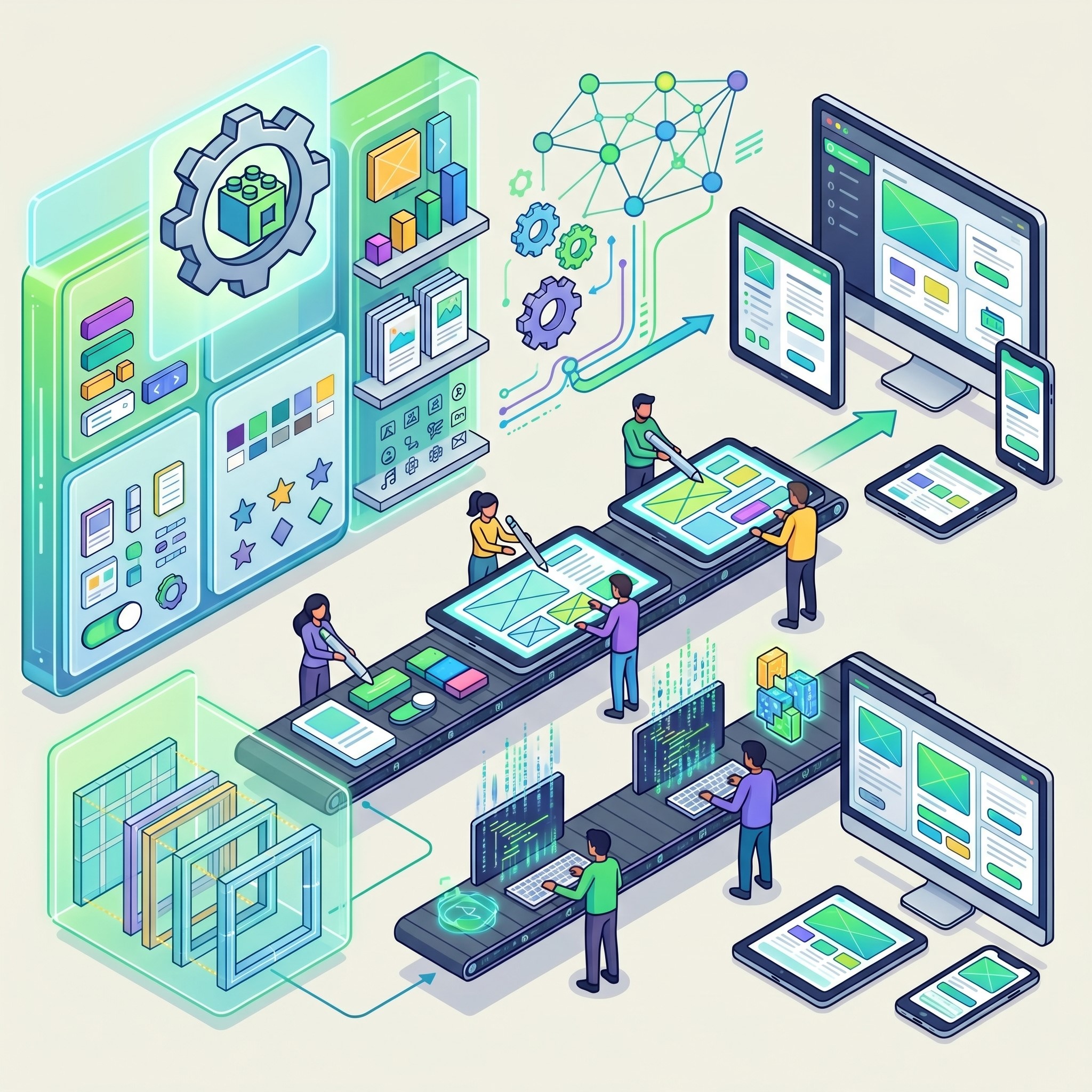 Design systems help businesses maintain consistency across websites, mobile applications, and digital platforms. A digital product design consultant often creates standardized libraries containing reusable components, typography rules, color palettes, and interface guidelines. These systems improve collaboration between designers and developers because everyone follows the same visual and functional standards. Consistency makes products easier for users to understand and navigate, improving trust and overall experience. Design systems also accelerate development because teams can reuse approved elements instead of building everything from scratch repeatedly. As products scale and evolve, maintaining visual consistency becomes increasingly difficult without structured systems. Businesses that implement strong design systems create more professional, scalable, and efficient digital products while reducing long-term maintenance challenges and development costs.
The Role of Continuous Testing in User Experience Optimization
Successful digital products are never truly finished because user expectations constantly evolve. Continuous testing allows businesses to identify usability issues, improve workflows, and optimize user satisfaction over time. Digital product design consultants regularly conduct usability testing, A/B testing, heatmap analysis, and feedback collection to understand how real users interact with products. These insights help teams make data-driven improvements instead of relying on assumptions. Small adjustments to layouts, navigation structures, or call-to-action buttons can significantly improve engagement and conversion rates. Continuous testing also helps businesses adapt to changing technology trends and customer behaviors more effectively. By consistently analyzing user interactions and refining digital experiences, companies create products that remain competitive, intuitive, and aligned with evolving customer needs in fast-changing digital markets.
Frequently Asked Questions (FAQ)
What does a digital product design consultant do?
A digital product design consultant analyzes digital products to improve usability, functionality, and overall user experience. They identify design problems, conduct user research, optimize workflows, and help businesses create more intuitive applications that increase customer satisfaction, engagement, and long-term product success.
Why is user experience important for digital products?
User experience directly impacts how people interact with a product. A smooth, intuitive experience increases customer satisfaction, retention, and conversions. Poor user experience frustrates users, causes abandonment, and damages brand reputation, making UX design essential for modern digital businesses.
How does user research improve product design?
User research helps businesses understand customer behaviors, frustrations, and expectations. By collecting real feedback through interviews, surveys, and analytics, companies can design features that solve actual problems instead of relying on assumptions, leading to more effective and user-friendly digital products.
What is the difference between UX design and UI design?
UX design focuses on how a product works and how users interact with it. UI design focuses on the visual appearance, including colors, typography, buttons, and layouts. Together, UX and UI create functional and visually appealing digital experiences.
Why are prototypes important in digital product design?
Prototypes allow teams to test ideas and interactions before development begins. They help identify usability problems early, improve collaboration between designers and developers, and reduce costly revisions by validating workflows and user experiences before coding starts.
Transform Your Digital Experience Today
Improving user experience is a continuous journey of testing, learning, and refining. The digital landscape shifts constantly, and user expectations rise with every new app they download. Staying competitive requires a proactive approach to usability and design.
By adopting the strategies utilized by a digital product design consultant, you can uncover hidden friction points and build intuitive, engaging interfaces. Whether you refine your strategy internally, improve your development hand-off processes, or partner with a dedicated studio, the focus must always remain on the end user. Start by auditing your current user journey, talking to your customers, and implementing small, iterative changes. The resulting improvements in user satisfaction and business metrics will prove the undeniable value of exceptional digital design.


