
Building a digital product is expensive. It’s also unpredictable. A staggering number of software projects run over budget, miss deadlines, or launch to a market that simply doesn’t care. The Standish Group’s long-running research suggests that a large share of software projects fail to meet their original goals, and the costs of those failures add up fast.
The problem usually isn’t bad code. More often, it’s a flawed plan—building the wrong thing, for the wrong people, in the wrong way. That’s where digital product design consulting earns its keep. By bringing experienced strategists and designers in before a single line of production code is written, you catch costly mistakes while they’re still cheap to fix.
This post breaks down exactly how design consulting lowers the risk of building a digital product. You’ll learn where development projects tend to go wrong, how a structured digital product design process addresses each weak point, and what to look for when choosing a partner. By the end, you’ll understand why smart teams treat design consulting as risk insurance rather than an optional extra.
What Is Digital Product Design Consulting?
Digital product design consulting is a service where specialists help you plan, design, and validate a digital product before and during development. These consultants combine user research, interaction design, visual design, and product strategy to make sure what you build actually solves a real problem.
Unlike a freelance designer who hands you a set of screens, a consulting partner works across the entire digital product design process. They question your assumptions, test ideas with real users, and translate business goals into a product roadmap your engineers can follow. The output isn’t just pretty interfaces—it’s a clear, validated direction that reduces guesswork.
This discipline draws on decades of accumulated knowledge. Many of the principles you’ll find in respected digital product design books—rapid prototyping, usability testing, design systems—come straight out of the consultant’s toolkit. The difference is that a consultant applies these methods to your specific situation, with your budget and timeline in mind.
Where Development Projects Go Wrong
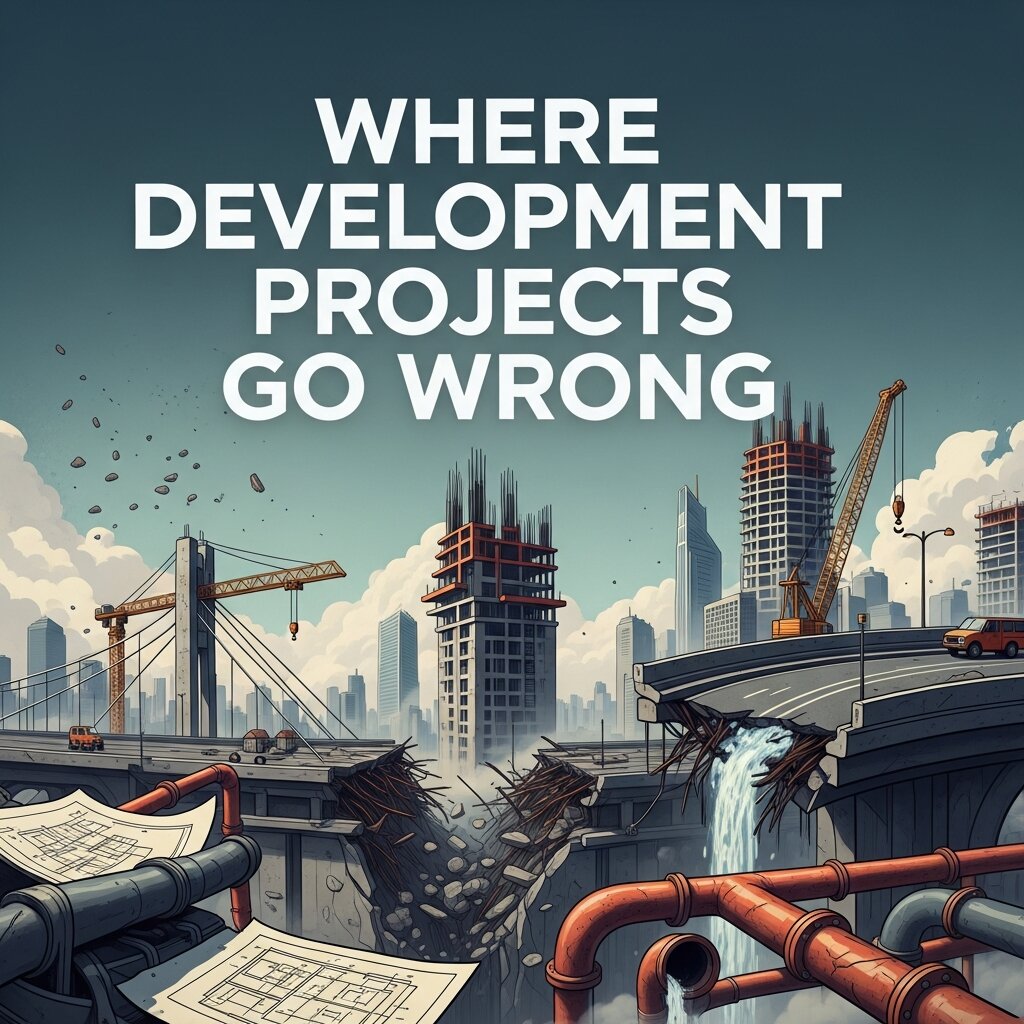 To understand how consulting reduces risk, it helps to know where risk comes from in the first place. Most digital product failures trace back to a handful of recurring problems.
Building Something Nobody Wants
The single biggest reason startups fail is a lack of market need, according to CB Insights’ analysis of startup post-mortems. Teams fall in love with a solution and skip the hard work of confirming the problem is worth solving. Months of development later, they discover the demand was never there.
Unclear or Shifting Requirements
When the goals of a project aren’t pinned down early, the scope tends to creep. Features get added, priorities shift, and the original timeline becomes meaningless. Each change ripples through the codebase, multiplying the cost and the chance of bugs.
Poor User Experience
A product can work perfectly and still flop because people find it confusing. Bad navigation, cluttered screens, and awkward flows drive users away. Fixing these issues after launch is far more expensive than designing them right the first time.
Technical Decisions Made Too Early
Engineering teams sometimes lock in architecture choices before anyone understands what the product needs to do. When the requirements finally become clear, those early decisions can force costly rewrites.
Each of these failure points shares a common thread: they stem from acting before knowing. Design consulting attacks the problem at its root by front-loading the knowing.
How the Digital Product Design Process Cuts Risk
A strong digital product design process is essentially a risk-reduction machine. Every stage exists to replace assumptions with evidence. Here’s how the major phases protect your investment.
Discovery Reduces the Risk of Building the Wrong Thing
The process starts with discovery—deep research into your users, your market, and your business. Consultants run interviews, study competitors, and map out the real problems people face. This phase often reveals that the product you imagined isn’t quite the product the market needs.
Catching that mismatch early is enormously valuable. Changing direction during discovery costs a few weeks of research. Changing direction after six months of development costs a fortune. The earlier a flaw is caught, the cheaper it is to fix—a principle that holds true across the entire software lifecycle.
Prototyping Tests Ideas Before They Cost Money
Once the direction is clear, designers build prototypes—interactive mockups that look and feel like the real product without any working code behind them. These prototypes let you experience the product before committing engineering resources.
Prototypes are cheap to make and cheap to change. You can throw away ten versions in the time it takes engineers to build one feature. This freedom to experiment means the version you eventually build has already survived dozens of small course corrections.
Usability Testing Catches Confusion Early
Design consultants put prototypes in front of real users and watch them struggle. Every point of confusion, hesitation, or frustration becomes a fixable insight. Usability research consistently shows that testing with just a handful of users uncovers the majority of major problems.
Fixing a confusing flow in a prototype takes an afternoon. Fixing it after launch means re-coding, re-testing, and re-deploying—plus the lost revenue from frustrated users who left. Testing early simply costs less.
Design Systems Keep Quality Consistent
Good consultants deliver a design system: a documented library of reusable components, patterns, and rules. This system gives developers a clear blueprint, which reduces ambiguity and speeds up the build.
A design system also prevents the slow drift toward inconsistency that plagues large products. When every button, form, and menu follows the same rules, the product feels coherent and developers spend less time reinventing solutions that already exist.
The Financial Case for Design Consulting
 Risk reduction is ultimately about money. Every hour spent on thoughtful design upfront tends to save many hours of expensive rework later.
Consider the cost curve of fixing a defect. A problem caught during the design phase is cheap to address. The same problem caught during development costs more. Caught after release, it can cost dramatically more—sometimes by an order of magnitude, according to widely cited software engineering research. Design consulting shifts your defect-catching to the cheapest possible stage.
There’s also the opportunity cost to consider. A development team building the wrong features isn’t just wasting their salaries—they’re missing the chance to build the right features. By validating direction early, consulting keeps your most expensive resource, your engineering team, pointed at work that matters.
Finally, a well-designed product converts better, retains users longer, and earns better reviews. These aren’t soft benefits. They directly affect revenue, customer acquisition costs, and the lifetime value of every user you win.
How Research and Production Fit Together
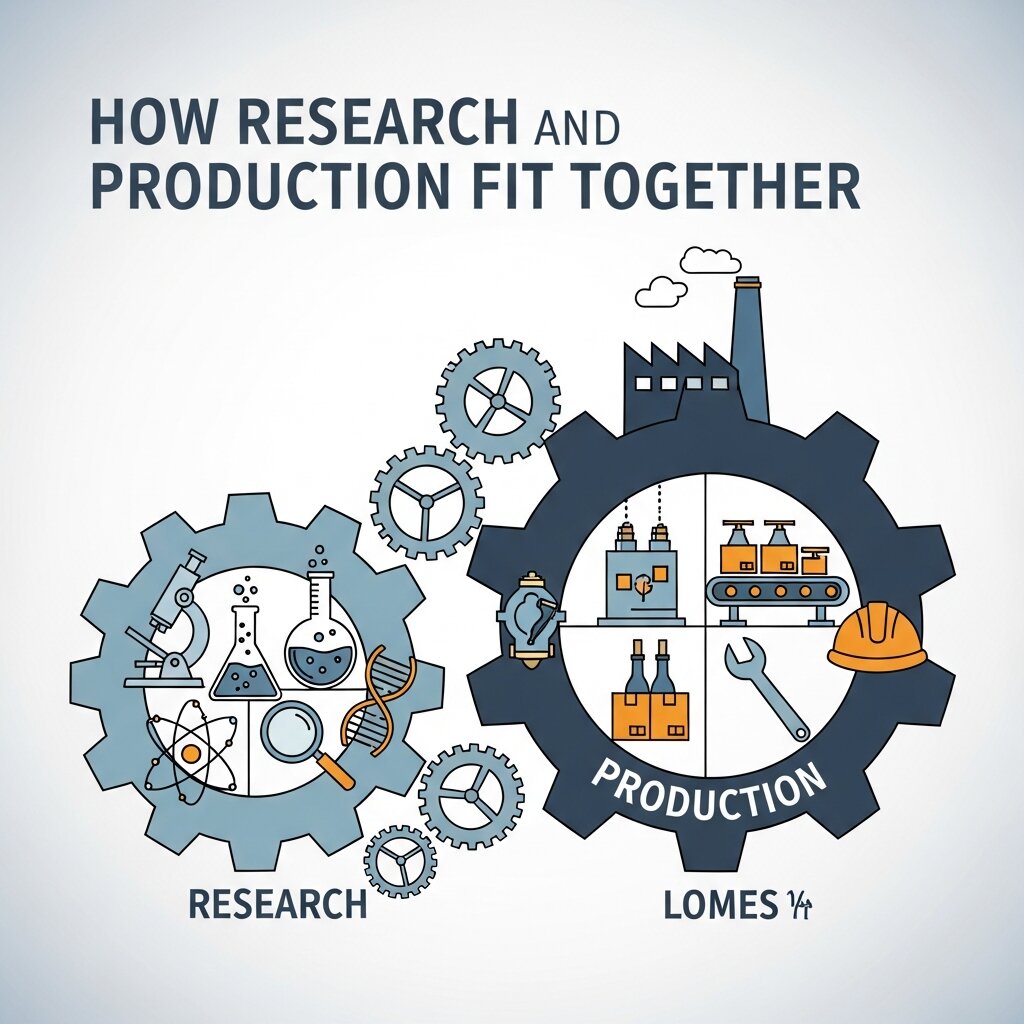 A common misconception is that design is just the visual layer applied at the end. In reality, strong consulting weaves research, strategy, and digital design media production into one continuous workflow.
Research informs strategy. Strategy guides design. Design feeds production. When these stages connect smoothly, the assets your team produces—from interface graphics to motion and interactive elements—all serve a validated purpose. Nothing gets made on a hunch.
This integration matters because disconnected handoffs are where risk creeps back in. When researchers, designers, and producers work in separate silos, intent gets lost in translation. A good consulting partner keeps everyone aligned around the same evidence, so the final product reflects what users actually need.
Choosing the Right Design Consulting Partner
Not every consultant delivers the same value. To get genuine risk reduction, look for a few specific qualities.
A research-led approach: The best partners insist on understanding your users before proposing solutions. If a consultant jumps straight to visuals without asking who you’re building for, that’s a warning sign.
A clear, repeatable process: Ask how they run the digital product design process. A mature partner can explain their stages, their methods, and the deliverables you’ll receive at each step.
Relevant experience: Look for a track record in your industry or with similar product types. Experience teaches consultants where the hidden risks live.
Collaboration with developers: Design that ignores technical reality creates friction later. Strong consultants involve engineers early and design within real-world constraints.
Evidence of impact: Case studies, metrics, and references reveal whether a consultant actually moves the needle. Ask what changed for their past clients—launch speed, conversion rates, user retention.
Choose a partner who treats your budget and timeline as real constraints, not afterthoughts. The right consultant works with your limits, not against them.
Frequently Asked Questions
1. What is digital product design consulting?
Digital product design consulting is a professional service that helps businesses research, plan, design, and validate digital products before and during development. Consultants focus on user experience, product strategy, and design processes to reduce risks and improve the chances of building successful products.
2. Why is digital product design consulting important?
Design consulting helps identify potential issues early, reducing costly mistakes during development. Through user research, prototyping, and testing, businesses can validate ideas before investing significant time and resources into product development.
3. How does digital product design consulting reduce project risk?
Consultants minimize risk by conducting market research, validating assumptions, testing prototypes with users, and creating clear product roadmaps. This approach helps teams avoid building features that users do not need or want.
4. What is included in the digital product design process?
The process typically includes discovery research, user analysis, competitor research, wireframing, prototyping, usability testing, visual design, design system creation, and collaboration with development teams throughout the project lifecycle.
5. When should a company hire a digital product design consultant?
Businesses should consider hiring a consultant during the early planning stages of a product, before major development begins. Early involvement allows consultants to identify opportunities, validate concepts, and establish a clear product strategy.
6. What is the difference between a design consultant and a UI/UX designer?
A UI/UX designer primarily focuses on creating user interfaces and experiences, while a design consultant takes a broader approach that includes business strategy, market research, product validation, user testing, and long-term product planning.
7. Can startups benefit from digital product design consulting?
Yes. Startups often benefit significantly because consulting helps validate ideas before large investments are made. This reduces the likelihood of building products that fail to meet market needs and helps optimize limited budgets.
8. How do prototypes help in product development?
Prototypes allow teams to test product concepts and user interactions before writing code. They help identify usability issues, gather feedback, and refine features, saving both development time and costs.
9. What should I look for in a digital product design consulting firm?
Look for experience in your industry, a research-driven methodology, strong case studies, collaborative workflows, usability testing expertise, and a proven process for guiding products from concept to launch.
10. Is digital product design consulting worth the investment?
In many cases, yes. By reducing development mistakes, improving user experience, and validating product-market fit, consulting services can save substantial costs while increasing the likelihood of long-term product success and customer adoption.
Turning Uncertainty Into Confidence
Every digital product carries risk, but that risk isn’t fixed. It’s something you can measure, manage, and shrink. Digital product design consulting does exactly that—by replacing guesswork with research, untested ideas with validated prototypes, and vague requirements with a clear roadmap your team can build against.
The teams that struggle are usually the ones that rush to development, hoping to fix problems as they go. The teams that succeed invest in clarity first. They learn what to build before they spend a fortune building it.


