
Your brand’s visual identity is often the first—and most lasting—impression you make. A logo slapped together in 2015 might have worked then. Today, it could be quietly costing you customers. Digital branding design has evolved rapidly, shaped by shifting consumer expectations, new technology, and a cultural appetite for authenticity over polish.
This post breaks down the most important digital branding design trends shaping the space right now. Whether you’re refreshing an existing identity or building one from scratch, understanding these trends will help you make smarter, more strategic design decisions—ones that resonate with your audience and hold up over time.
Why Digital Branding Design Matters More Than Ever
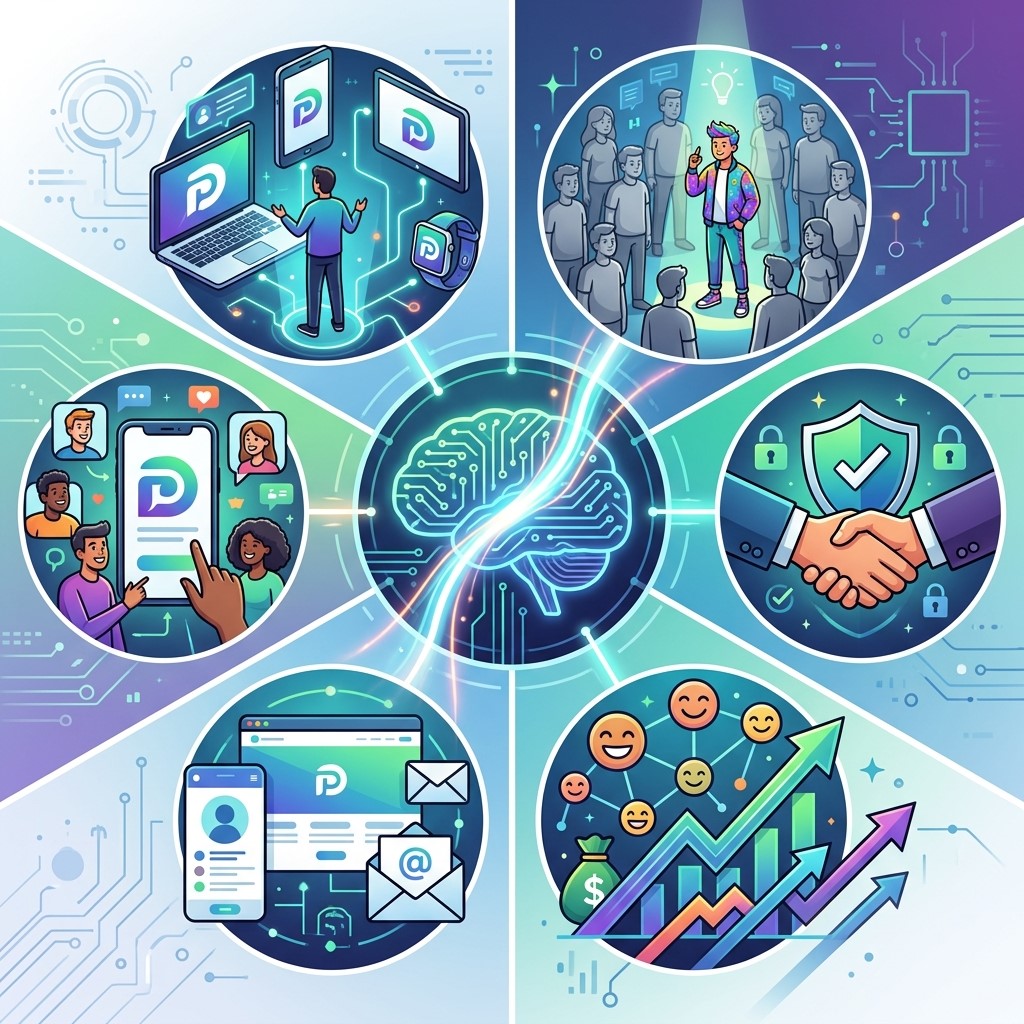 Branding and identity design have always mattered. But the digital environment has raised the stakes considerably. Consumers interact with brands across more touchpoints than ever before—websites, social media, apps, email, digital ads, and beyond. Each of those touchpoints needs to feel cohesive, intentional, and distinct.
Research consistently shows that consistent brand presentation across all platforms can increase revenue significantly. When your visual identity is fragmented or outdated, it creates friction. People don’t always articulate why a brand feels “off”—they just move on.
The good news? The most impactful digital branding design trends right now aren’t about chasing novelty. They’re about clarity, connection, and craft.
Bold, Purposeful Typography Is Taking Center Stage
For a long time, typography played a supporting role in branding—neutral, functional, easy to read. That’s changing. More brands are leaning into expressive, custom typefaces as a primary branding element.
Think of typography less as the container for your message and more as the message itself. A distinctive typeface can communicate personality—warmth, authority, playfulness, precision—before a single word is even read. This is why type-led logos and type-forward digital design are gaining traction across industries.
What this looks like in practice
- Variable fonts that adapt fluidly across screen sizes, maintaining visual integrity from desktop to mobile
- Custom or semi-custom typefaces that give brands a distinctive edge over competitors using generic system fonts
- Oversized type used as a structural design element on landing pages and digital ads
If your current brand relies on a generic sans-serif with no real personality, exploring typography options is a high-leverage place to start.
Motion and Animation Are Becoming Brand Signatures
 Static logos still have their place, but motion has become an increasingly powerful dimension of digital branding design. Animated logos, micro-interactions, and scroll-triggered animations don’t just look impressive—they tell a story and create emotional resonance.
Brands like Google, Slack, and Spotify have long used motion as part of their identity systems. Now, smaller businesses and startups are following suit, recognizing that a thoughtfully animated brand element can communicate far more than a static image.
The digital product design process for modern brands increasingly includes motion guidelines—defining how logos animate, how transitions behave, and how interactive elements respond. This is no longer a luxury for enterprise brands. It’s becoming table stakes.
Key considerations for motion branding
- Keep animations purposeful—every motion should communicate something, not just decorate
- Ensure animations are accessible and don’t trigger sensory issues for users with vestibular disorders
- Develop a consistent motion language that aligns with your overall brand personality
Minimalism Is Evolving—And Getting More Interesting
Minimalism has dominated digital branding for years. Clean lines, lots of white space, restrained color palettes. But a new generation of minimalism is emerging—one that’s more expressive and less sterile.
Brands are now using minimalist frameworks as a foundation while introducing unexpected details: a single bold color, an unusual layout, a distinctive illustrative element. The result is a brand that feels both clean and memorable.
This shift reflects a broader truth about branding and identity design: restraint and creativity aren’t opposites. Some of the most iconic brand identities are minimal in execution but deeply intentional in every detail.
Authentic Visual Storytelling Over Stock Photography
If there’s one area where digital branding design has shifted most dramatically, it’s photography and imagery. The era of generic stock photography—smiling business teams, vague cityscapes, handshakes—is firmly on its way out.
Audiences have become remarkably good at detecting visual inauthenticity. They scroll past it without thinking. Brands that invest in original photography, real customer imagery, and visually coherent custom illustration stand out precisely because authenticity is now rare enough to be a differentiator.
Practical shifts to consider
- Custom illustration as a brand element—distinct visual style that competitors can’t replicate
- Documentary-style photography that captures real people and real moments
- User-generated content strategically integrated into brand visuals
- Illustrated data and icons that replace generic graphics with something on-brand
The digital product design process increasingly involves creating visual systems—not just one-off assets—so that every image your brand publishes feels cohesive, regardless of who created it.
Adaptive and Responsive Identity Systems
Traditional brand guidelines assumed relatively stable formats: print, maybe a website, maybe some signage. Modern branding and identity design has to account for a far more complex landscape—apps, voice interfaces, AR experiences, social media templates, email campaigns, and more.
This is driving the growth of adaptive brand systems: flexible identity frameworks that can be applied consistently across wildly different contexts. Rather than a rigid logo and color palette, adaptive systems give brands a set of rules and building blocks that can flex without losing coherence.
Think of it less like a uniform and more like a design language—one with enough vocabulary to communicate across every environment your brand inhabits.
What adaptive identity design includes
- Logo lockups designed for multiple applications (horizontal, stacked, icon-only, dark/light variants)
- Modular design elements that can be recombined for different formats
- Color systems with primary, secondary, and contextual palettes that remain cohesive
- Spacing and layout grids that scale from mobile apps to large-format digital displays
Color Psychology Is Being Applied More Strategically
Color has always been central to branding. But many brands still choose colors based on aesthetics or industry convention—without deep consideration of psychology, accessibility, or differentiation.
The most forward-thinking digital branding design work takes a more strategic approach. This means understanding how target audiences emotionally respond to color, how colors translate across digital environments (screen calibrations vary significantly), and how to stand out within a crowded competitive landscape.
One particularly notable trend: more brands in traditionally conservative industries—finance, healthcare, legal—are adopting unexpected, vibrant palettes. The goal is to signal approachability, modernity, and differentiation from legacy players.
Accessibility is also becoming non-negotiable: WCAG (Web Content Accessibility Guidelines) standards require sufficient contrast between text and background colors. Many brands are now building accessibility into their color systems from the start, rather than treating it as an afterthought.
Sustainability and Values-Driven Design
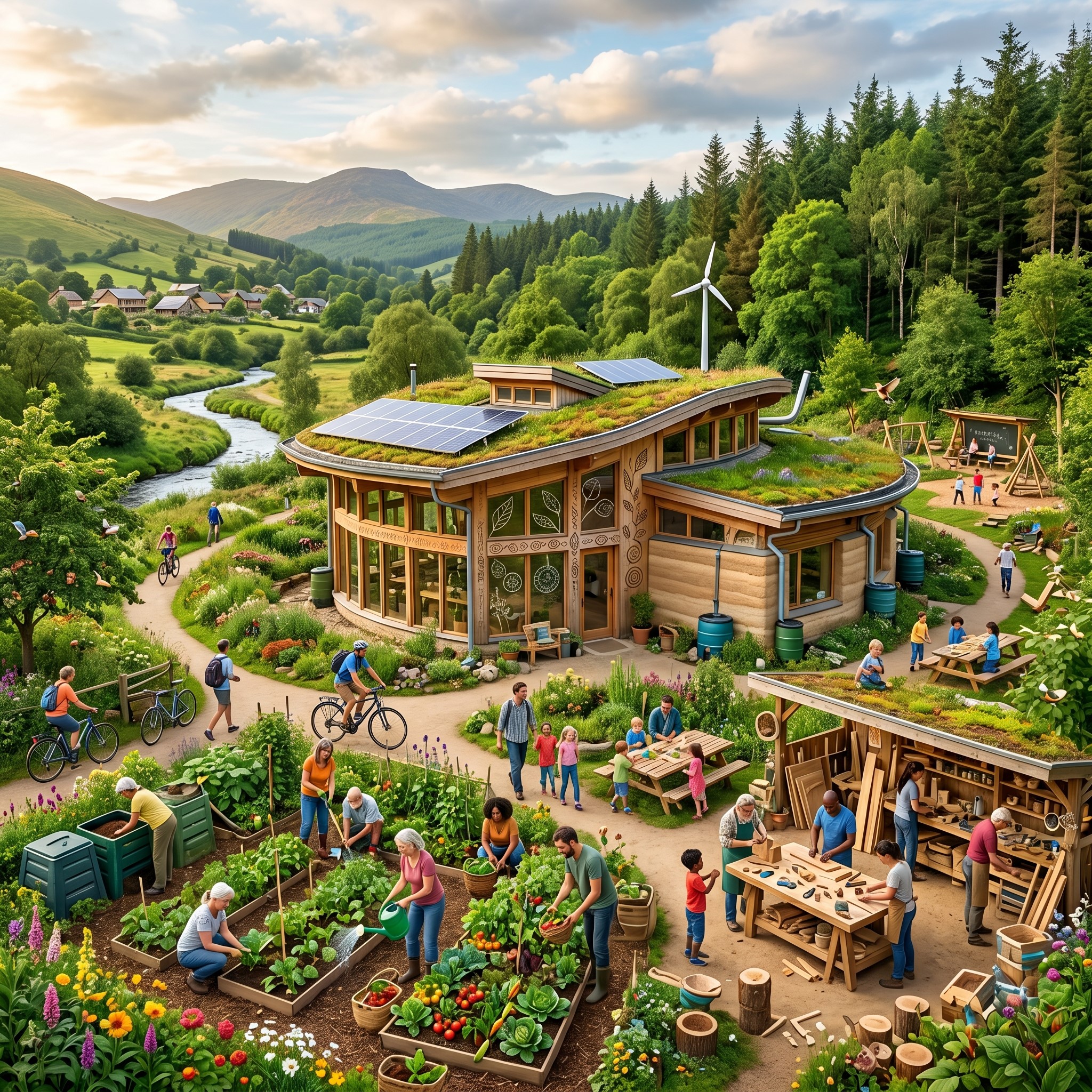 Visual branding is increasingly expected to reflect organizational values—and sustainability is one of the most prominent. This doesn’t mean every brand should adopt earthy greens and organic textures. It means that your design choices should be intentional and aligned with what your brand genuinely stands for.
Greenwashing—visually performing sustainability without substance—is being called out more frequently by consumers and media alike. Brands that use sustainability aesthetics without backing them up with real practices risk serious reputational damage.
Authentic values-driven design is more subtle. It shows up in the craft and care applied to every design decision. It shows up in the transparency of communication. It shows up in a visual identity that feels considered rather than manufactured.
The Rise of Nostalgic and Retro Aesthetics
Not every trend points toward the future. One of the most interesting currents in digital product design ideas right now is a deliberate return to the past—retro typography, vintage color palettes, hand-drawn illustration, and analog textures applied in digital contexts.
This trend is partly a reaction to the hyper-polished, algorithm-optimized look that dominated the 2010s. Nostalgic aesthetics feel human, imperfect, and trustworthy in a way that clinical minimalism often doesn’t.
Used well, retro design can be deeply distinctive. The risk is that it tips into costume rather than character—a stylistic choice that feels disconnected from what the brand actually does and who it serves. Grounding nostalgic aesthetics in genuine brand narrative is what separates the ones that work from the ones that don’t.
Where Does AI Fit Into Digital Branding Design?
It would be difficult to discuss digital branding design trends without addressing the growing role of AI in the creative process. Tools like Midjourney, Adobe Firefly, and various AI-powered design platforms are changing how designers and brand teams work.
AI is genuinely useful for certain parts of the branding and identity design process—rapid ideation, generating visual references, exploring color combinations, creating pattern variations. But it hasn’t replaced the strategic thinking that underpins great brand work. Knowing what a brand needs to communicate, why specific design decisions will resonate with a particular audience, and how to build a coherent system—these remain deeply human challenges.
Brands that treat AI as a strategic accelerator rather than a shortcut will get more from it. Those that use it to cut corners on brand thinking will end up with identities that look generated rather than built.
FAQ: Digital Branding Design
1. What is digital branding design?
Digital branding design is the process of creating a consistent visual identity for a brand across digital platforms. It includes logos, typography, colors, imagery, animations, and design systems that help businesses build recognition, communicate values, and create memorable customer experiences online.
2. Why is digital branding design important for businesses?
Digital branding design helps businesses establish credibility, differentiate themselves from competitors, and create a consistent customer experience. A strong digital brand increases recognition, builds trust, and encourages customer loyalty across websites, social media, email marketing, and other online touchpoints.
3. What are the latest trends in digital branding design?
Current digital branding design trends include bold typography, motion graphics, authentic photography, adaptive identity systems, nostalgic aesthetics, and values-driven design. Brands are also using AI tools for creative exploration while focusing on accessibility, emotional connection, and cohesive visual storytelling across digital platforms.
4. How does typography influence digital branding?
Typography shapes how audiences perceive a brand before reading any content. Fonts can communicate professionalism, creativity, elegance, or friendliness. Custom and expressive typefaces are increasingly popular because they help brands establish unique personalities and create stronger visual identities in competitive digital markets.
5. Why are animations becoming popular in branding?
Animations make digital experiences more engaging and memorable. Animated logos, micro-interactions, and motion graphics add personality to a brand while improving user experience. When used consistently, motion elements become recognizable brand assets that strengthen emotional connections and increase customer engagement across digital channels.
6. What is an adaptive brand identity system?
An adaptive brand identity system is a flexible set of design guidelines that works across multiple digital environments. It includes different logo versions, color variations, and modular design elements, allowing brands to maintain consistency while adapting seamlessly to websites, apps, social media, and digital campaigns.
7. How does color psychology affect digital branding?
Color psychology influences emotions and customer perceptions. Different colors evoke different feelings, such as trust, excitement, or luxury. Strategic color choices help brands communicate their personality, stand out from competitors, and create emotional connections while ensuring accessibility and readability across all digital platforms.
8. Can artificial intelligence help with digital branding design?
Yes, AI can assist with digital branding by generating design ideas, exploring color palettes, creating illustrations, and speeding up creative workflows. However, AI cannot replace strategic thinking, audience understanding, or brand storytelling, which remain essential for building a meaningful and lasting brand identity.
9. How can small businesses improve their digital branding?
Small businesses can improve digital branding by maintaining visual consistency, investing in professional design, understanding their target audience, and creating clear brand guidelines. Using authentic imagery, responsive design systems, and engaging content also helps build trust and establish a stronger online presence over time.
10. How often should a company update its digital brand identity?
Companies should review their digital brand identity regularly to ensure it remains relevant and effective. Minor updates can keep the brand modern, while major redesigns are usually needed when business goals, customer preferences, technology, or market conditions change significantly over time.
Building a Brand That Lasts
Digital branding design trends are useful as inputs, not blueprints. The goal isn’t to incorporate every trend on this list—it’s to understand which directions align with your brand’s identity, your audience’s expectations, and where your industry is heading.
If you’re looking to go deeper on the strategic and craft dimensions of brand identity, resources like Logo Design Love by David Airey and Designing Brand Identity by Alina Wheeler remain among the most recommended digital product design books for building a rigorous foundation. Pair those with current case studies and competitive analysis, and you’ll have a clearer picture of where your brand stands—and where it could go.


