
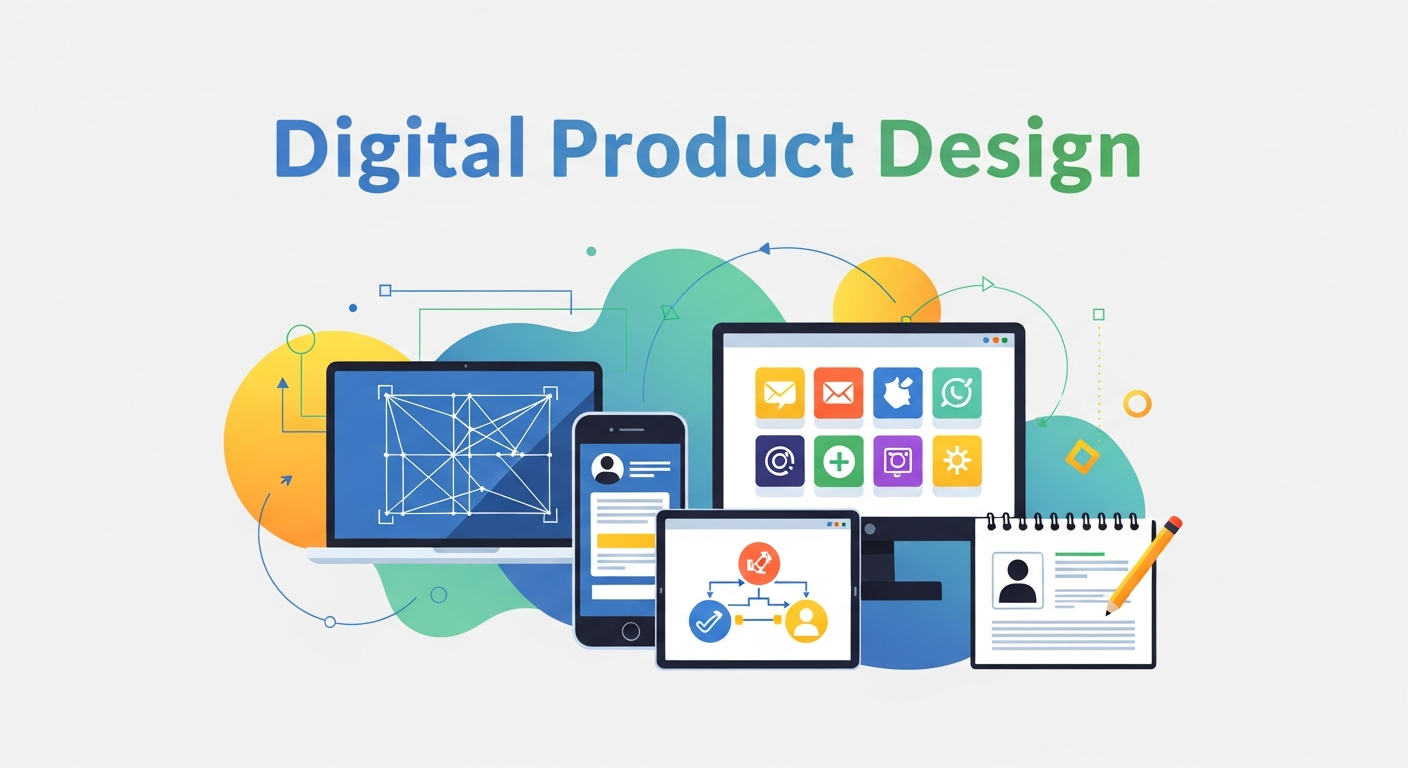
Every app on your phone, every website you browse, and every software tool you use at work started as a simple idea. Transforming that idea into a functional, enjoyable experience is the core of digital product design. When done right, it feels invisible. The user intuitively knows where to click, how to navigate, and what to do next. When done poorly, it leads to frustration and abandoned shopping carts.
If you are curious about how the digital tools we rely on are created, you are in the right place. Digital product design is a multidisciplinary field that combines psychology, technology, and art to solve real-world problems. It is an exciting space that offers endless opportunities for creativity and innovation.
This comprehensive guide will walk you through everything you need to know to get started. We will explore the fundamental principles, the step-by-step digital product design process, the tools the pros use, and how you can build a successful career in this booming industry.
Introduction to Digital Product Design
To truly understand this field, we must start with the basics. Design is not just about making things look pretty. It is about how things work.
What is Digital Product Design?
When people ask, “What is digital product design?”, they are usually looking for a simple definition. At its core, digital product design is the process of identifying a market opportunity, defining the problem, developing a proper solution for that problem, and validating the solution with real users. It encompasses user experience (UX) design, user interface (UI) design, and product strategy.
The Importance of Digital Product Design
 Good design is good business. A well-designed digital product reduces friction, increases user satisfaction, and directly impacts a company’s bottom line. Think about your favorite app. You likely enjoy using it because it solves a problem efficiently while being pleasing to look at. Companies invest heavily in digital product design and strategy to ensure their offerings stand out in a crowded market.
Who is this guide for?
This guide is for absolute beginners. You might be a student exploring career paths, a graphic designer looking to transition into tech, or an entrepreneur wanting to understand how to build better software. No prior experience is required to grasp the concepts covered here.
The Digital Product Design Process
Creating a successful app or website does not happen by accident. It requires a structured approach. The digital product design process provides a roadmap from initial idea to final launch.
Research and Discovery
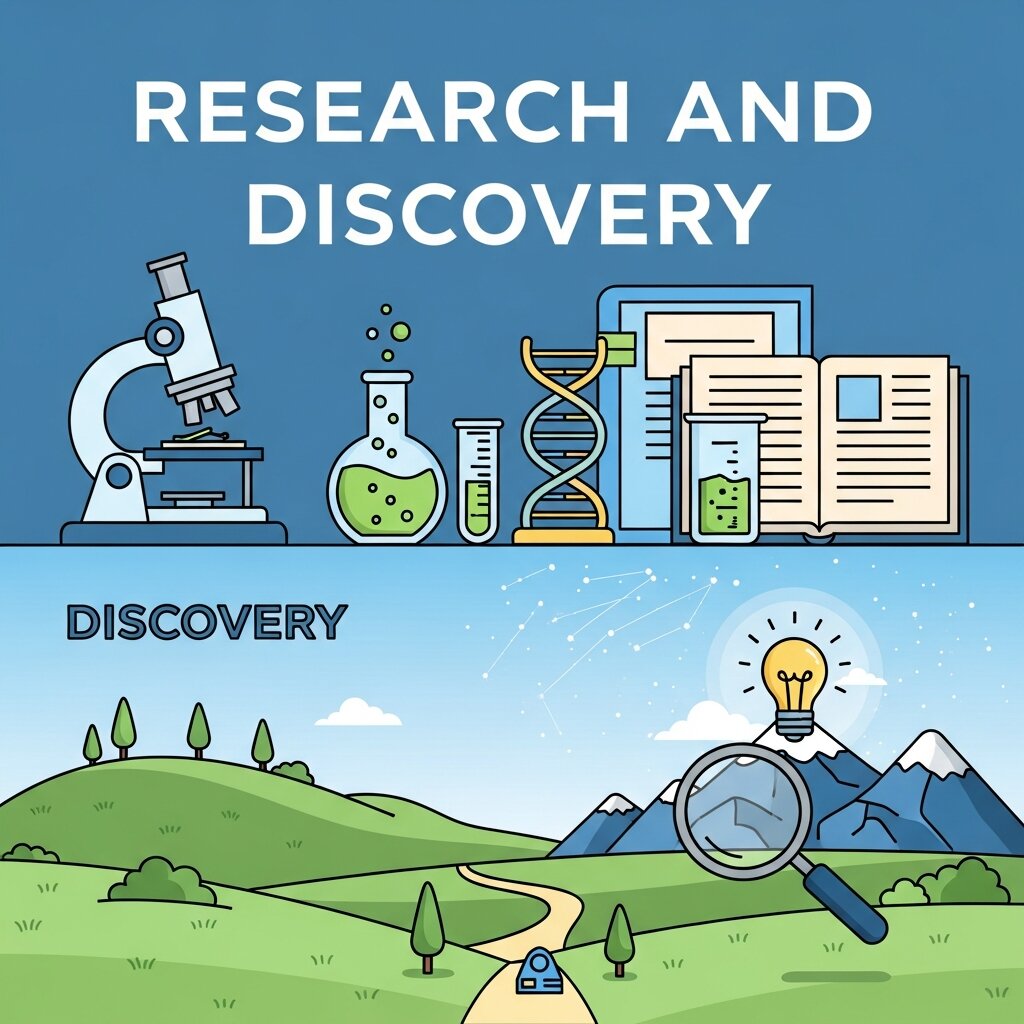 Before sketching a single screen, designers must understand the problem they are solving. This phase involves market research, competitor analysis, and user interviews. The goal is to gather data about the target audience, their pain points, and their behaviors.
Ideation and Concept Development
Once the research is complete, the team brainstorms potential solutions. This is a highly collaborative phase. Designers, product managers, and developers come together to sketch out rough ideas. The focus here is on volume and creativity, rather than perfection.
Wireframing and Prototyping
With a solid concept in mind, designers create wireframes. These are low-fidelity blueprints of the product, outlining the basic layout and structure without any visual styling. Next, they build prototypes. Prototypes are interactive models that allow stakeholders to click through the design and experience the flow of the product.
User Testing and Feedback
A design is only a hypothesis until it is tested. During user testing, real people interact with the prototype. Designers observe how users navigate the interface, noting where they get confused or frustrated. This feedback is critical for identifying flaws early in the process.
Iteration and Refinement
Based on the feedback gathered, the design is refined. This step is repeated as many times as necessary. Iteration is a fundamental part of digital product design and development. The product constantly evolves based on data and user behavior.
Implementation and Launch
Once the design is finalized, it is handed off to the development team. Designers work closely with engineers to ensure the final product matches the original vision. After rigorous quality assurance testing, the product is finally launched to the public.
Key Principles of Digital Product Design
Great design is built on a foundation of core principles. Mastering these concepts will help you create digital products that are both highly functional and visually appealing.
User-Centered Design
The user must always come first. User-centered design involves continuously keeping the needs, goals, and limitations of the end-user in mind during every stage of the design process. If a feature does not serve the user, it should be removed.
Usability and Accessibility
A product must be easy to use. Usability refers to how effectively and efficiently a user can achieve their goals within the interface. Accessibility ensures that the product is usable by people with varying abilities, including those with visual, auditory, or motor impairments.
Visual Design and Branding
While functionality is paramount, aesthetics still matter. Visual design uses color, typography, spacing, and imagery to create a cohesive brand experience. A visually pleasing interface builds trust and makes the product more enjoyable to use.
Information Architecture
Information architecture (IA) is the organization of content within a digital product. Good IA ensures that users can easily find the information they are looking for. It involves structuring navigation menus, categorizing data, and creating intuitive user flows.
Interaction Design
Interaction design focuses on the specific moments when a user interacts with the product. This includes everything from the animation of a button when it is clicked to the transition between different screens. Meaningful interactions provide feedback to the user and make the digital experience feel alive.
Tools and Technologies in Digital Product Design
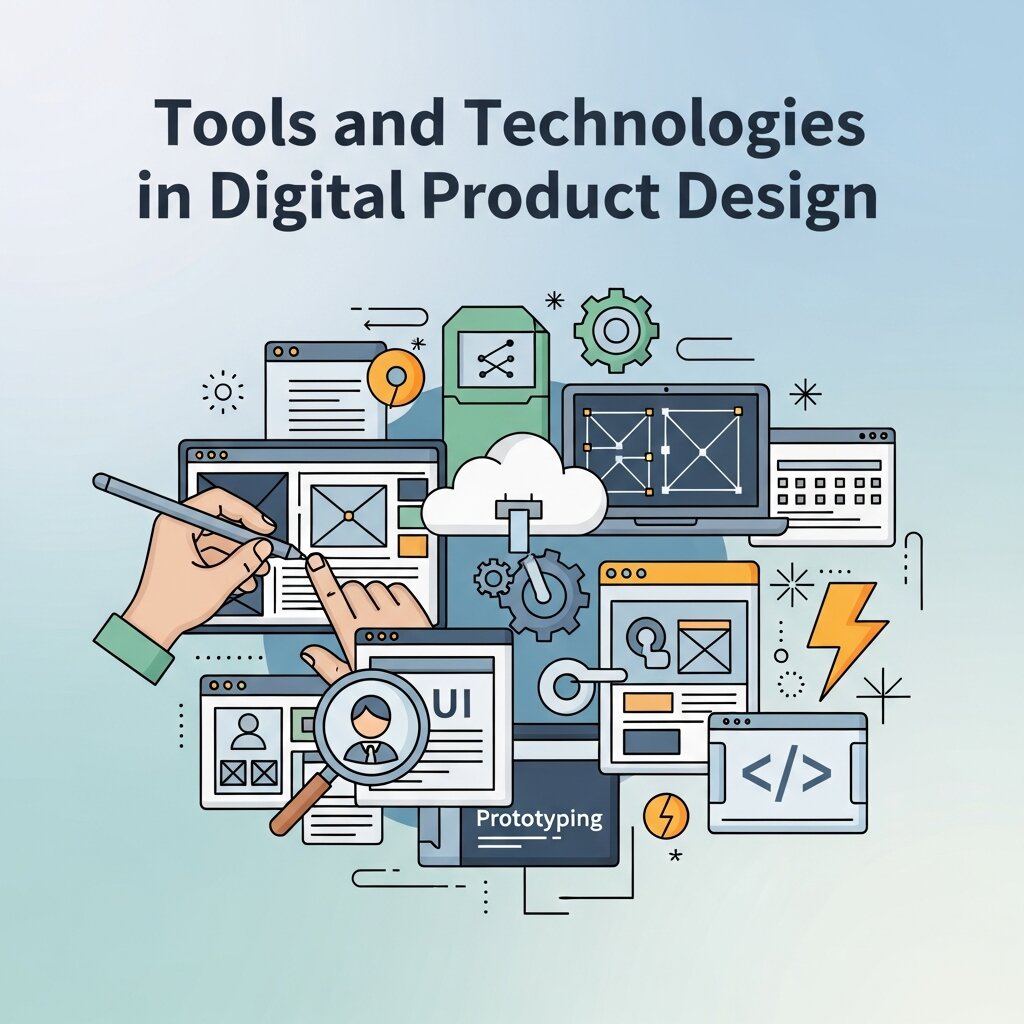 To execute the design process, professionals rely on a specific stack of software tools. Familiarizing yourself with these platforms is a crucial step for any beginner.
Design Software (Figma, Sketch, Adobe XD)
Figma has become the industry standard for UI/UX design due to its collaborative, cloud-based nature. Sketch remains popular among Mac users, while Adobe XD integrates seamlessly with the rest of the Adobe Creative Cloud suite. These tools are used to create everything from wireframes to high-fidelity visual designs.
Prototyping Tools (InVision, ProtoPie)
While Figma has built-in prototyping features, some projects require more advanced interactions. Tools like InVision and ProtoPie allow designers to create highly realistic, animated prototypes that mimic the behavior of a fully coded app.
Collaboration Tools (Miro, Asana)
Design is a team sport. Digital product design studio teams use Miro for virtual whiteboarding and brainstorming sessions. Project management tools like Asana, Jira, or Trello keep track of tasks, deadlines, and project milestones.
Analytics Tools (Google Analytics, Hotjar)
After a product is launched, the work is not over. Designers use Google Analytics to track user behavior and traffic sources. Hotjar provides heatmaps and screen recordings, showing exactly how users are interacting with the live product.
The Role of AI in Digital Product Design (Trends 2026)
Artificial intelligence is rapidly reshaping the technology landscape, and design is no exception. Looking ahead, the integration of ai in digital product design trends 2026 will fundamentally change how creators work.
AI-powered design tools
Design software is becoming smarter. AI can now generate color palettes, suggest layout improvements, and even create entire interface mockups based on simple text prompts. This allows designers to move faster and focus on higher-level strategy rather than pixel-pushing.
Personalization and adaptive interfaces
In the near future, interfaces will adapt in real-time to individual users. AI algorithms will analyze user behavior and adjust the layout, content, and navigation to perfectly suit their specific preferences and needs.
Automation of design tasks
Repetitive tasks like resizing assets for different screen sizes, checking for accessibility compliance, and organizing design systems will be fully automated by AI. This frees up designers to spend more time on empathy, research, and creative problem-solving.
Ethical considerations of AI in design
With great power comes great responsibility. As AI plays a larger role in product creation, designers must be vigilant about algorithmic bias, data privacy, and the ethical implications of the products they build.
Building a Career in Digital Product Design
If you are excited by the prospect of shaping digital experiences, a career in this field can be highly rewarding.
Essential skills for digital product designers
Successful designers possess a mix of hard and soft skills. You need a solid grasp of UI design, UX research, and prototyping tools. Just as importantly, you need strong communication skills, empathy, and the ability to accept constructive criticism.
Educational paths and resources
There is no single path to becoming a product designer. Some pursue a formal degree in Human-Computer Interaction or Graphic Design. Others attend intensive UX/UI bootcamps. Many successful designers are entirely self-taught, utilizing online courses, YouTube tutorials, and industry blogs to learn the craft.
Portfolio development
Your portfolio is your most important asset. It is a collection of case studies that showcase your design process. Employers want to see how you approach a problem, the research you conducted, the iterations you went through, and the final solution you delivered.
Job market and career outlook
The demand for skilled digital product designers continues to grow. From massive tech companies to agile startup environments, businesses recognize that great design is essential for success. Roles often include UX Designer, UI Designer, Product Designer, and UX Researcher.
Case Studies/Examples of Successful Digital Products
Looking at successful products is a great way to understand effective design.
Take Airbnb, for example. The platform simplifies the complex process of booking accommodation in a foreign country. Through intuitive search filters, high-quality imagery, and a seamless checkout process, they built a product that users trust implicitly.
Slack is another excellent example. Enterprise software is notoriously clunky, but Slack revolutionized workplace communication by prioritizing a fun, consumer-like user experience. Their playful branding, logical information architecture, and smooth onboarding process made them an industry leader.
Frequently Asked Questions (FAQ)
Frequently Asked Questions (FAQ)
1. What is digital product design in simple terms?
Digital product design is the process of creating digital experiences like apps, websites, or software tools that solve user problems. It combines user experience (UX), user interface (UI), and product strategy to build functional and user-friendly products.
2. What is the difference between UX and UI design?
UX (User Experience) focuses on how a product works and how users interact with it, while UI (User Interface) focuses on the visual elements like colors, buttons, and layouts. UX ensures usability, and UI enhances appearance.
3. Do I need coding skills to become a digital product designer?
No, coding is not mandatory. However, having a basic understanding of HTML, CSS, or JavaScript can be helpful when collaborating with developers and understanding technical limitations.
4. Which tools should beginners learn first?
Beginners should start with tools like Figma, Adobe XD, or Sketch for design, and tools like Miro or FigJam for brainstorming. These platforms are beginner-friendly and widely used in the industry.
5. How long does it take to learn digital product design?
It depends on your dedication and learning path. With consistent practice, you can grasp the basics within 3–6 months. Becoming job-ready may take 6–12 months, including building a strong portfolio.
6. What makes a good digital product design?
A good design is user-centered, easy to navigate, visually appealing, and solves a real problem. It should provide a seamless experience without confusing the user.
7. Is digital product design a good career choice?
Yes, it is a high-demand and growing field. Companies across industries need skilled designers to create better digital experiences, making it a promising and rewarding career.
8. What should I include in my design portfolio?
Your portfolio should include case studies showing your design process, from research to final solution. Highlight your problem-solving skills, design thinking, and real project outcomes.
9. How does user testing improve design?
User testing helps identify usability issues by observing real users interacting with your product. It provides valuable feedback that allows designers to improve and refine the experience.
10. What are the future trends in digital product design?
Key trends include AI-powered design tools, personalized user experiences, voice interfaces, and increased focus on accessibility and ethical design practices.
Taking Your Next Steps in Design
Digital product design is a fascinating blend of logic and creativity. It requires a deep understanding of human behavior and a mastery of digital tools.
Recap of key takeaways
We have explored the definition of digital product design, the step-by-step creation process, and the core principles of user-centered design. We reviewed the essential tools of the trade and discussed how AI is poised to change the industry by 2026. Finally, we outlined the skills and portfolio requirements needed to launch a successful career.
Future of Digital Product Design
The tools and trends will inevitably change, but the core objective will remain the same: solving human problems through technology. If you are ready to start your journey, begin by observing the digital products you use every day. Notice what works, what frustrates you, and how you might improve them. Start sketching, learn a design tool, and begin building your first portfolio piece today.


