
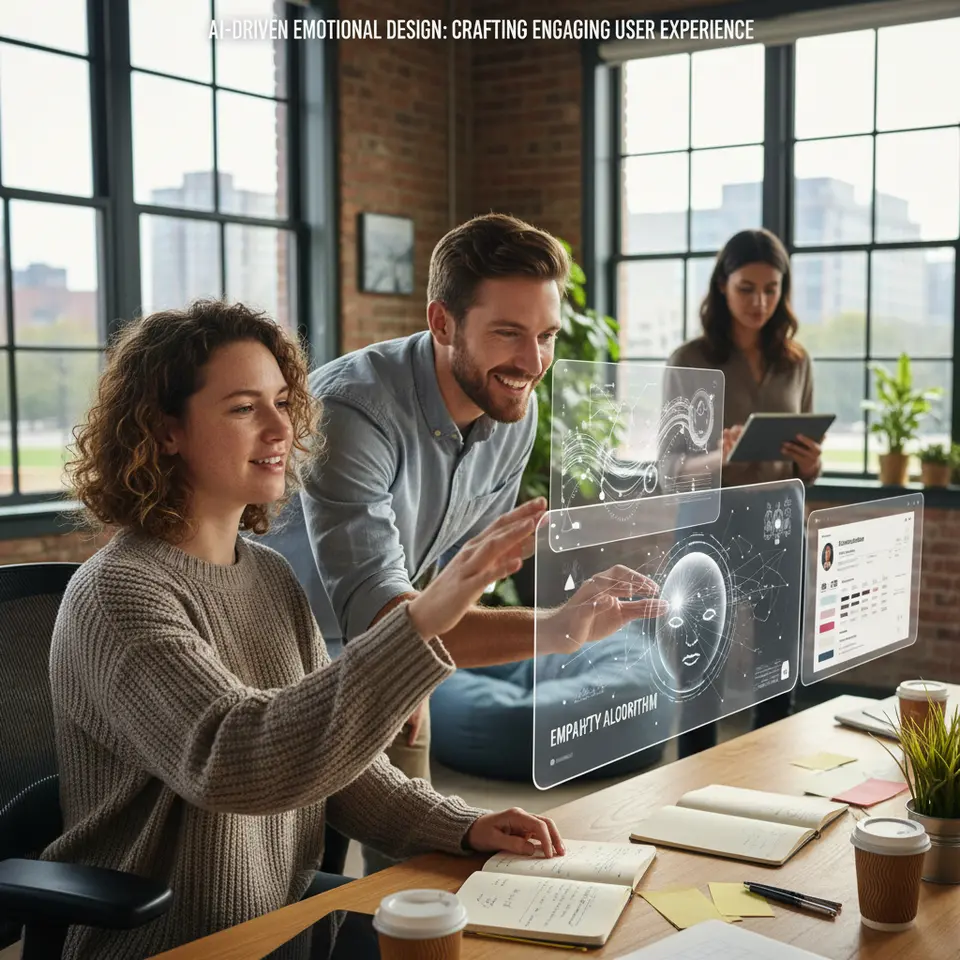
In today’s digital landscape, creating products that resonate on an emotional level has become a critical differentiator. AI-driven emotional design focuses on blending machine intelligence with psychological principles to produce interfaces that not only function smoothly but also forge genuine connections with users. By interpreting behavioral cues and sentiment data in real time, brands can tailor experiences that spark trust, joy, and loyalty. This approach moves beyond mere usability and aesthetics, tapping into subconscious responses that guide users from initial engagement to long-term advocacy.
As organizations strive to stand out, leveraging AI-driven emotional design enables dynamic adaptation to each individual and their unique context. Whether it appeals to delight through micro-animations or instills confidence via personalized messaging, emotional design powered by AI elevates digital interactions into memorable journeys. In this comprehensive article, we will explore foundational concepts, examine the transformative impact of AI, outline actionable strategies, survey leading tools, and showcase real-world success stories. These insights will equip UX designers, product managers, and digital marketers with the knowledge necessary to craft emotionally compelling experiences that drive retention, conversion, and brand advocacy this year (2026).
Understanding the Foundations of Emotional Design
At its core, emotional design recognizes that users engage with products not only intellectually but also viscerally and reflectively. Visceral reactions are triggered by first impressions—colors, shapes, and typography that instantly evoke positive feelings or deter interest. Behavioral elements focus on usability and feedback—ensuring interactions feel intuitive and satisfying. Reflective design addresses deeper meaning, encouraging users to associate personal values and memories with a brand. When these three dimensions harmonize, interfaces resonate more profoundly, leaving lasting impressions.
Psychological triggers such as trust, surprise, pride, and empathy play central roles. For example, trust can be fostered by clear privacy assurances—an ever-present concern in today’s digital environments as highlighted by GDPR guidelines. Surprise and delight often come through micro-animations and helpful tooltips that acknowledge user needs. Pride emerges when users receive rewards or badges that celebrate milestones, reinforcing a sense of achievement. Empathy is conveyed through compassionate tone of voice and adaptive support that recognizes frustration and offers timely assistance.
By studying human behavior and cognitive load theory, designers can purposefully craft touchpoints that minimize friction while maximizing positive emotional engagement. Emotional design is, therefore, not an afterthought but a guiding framework for all stages of product development—from research and wireframing to prototyping and iteration. In today’s competitive landscape, understanding these fundamentals allows teams to create digital experiences that feel personalized, intentional, and memorable.
The Role of AI in Shaping Emotional Experiences
Artificial intelligence has ushered in a new era for emotional design, enabling personalization at a scale previously unimaginable. By integrating AI-driven emotional design, digital products can sense and respond fluidly to individual users, dynamically adjusting content, visuals, and interactions in real time. Machine learning models analyze click patterns, dwell time, and navigation flows to anticipate needs before users explicitly express them.
Sentiment analysis engines sift through user-generated text—comments, chat transcripts, and social media mentions—extracting emotional tone that informs interface adjustments. For instance, if negative sentiment spikes in a support chat, AI can prioritize escalation to a human agent or simplify the navigation path. Conversely, when positive cues emerge, the system might introduce callouts for premium features or celebratory messaging to reinforce delight.
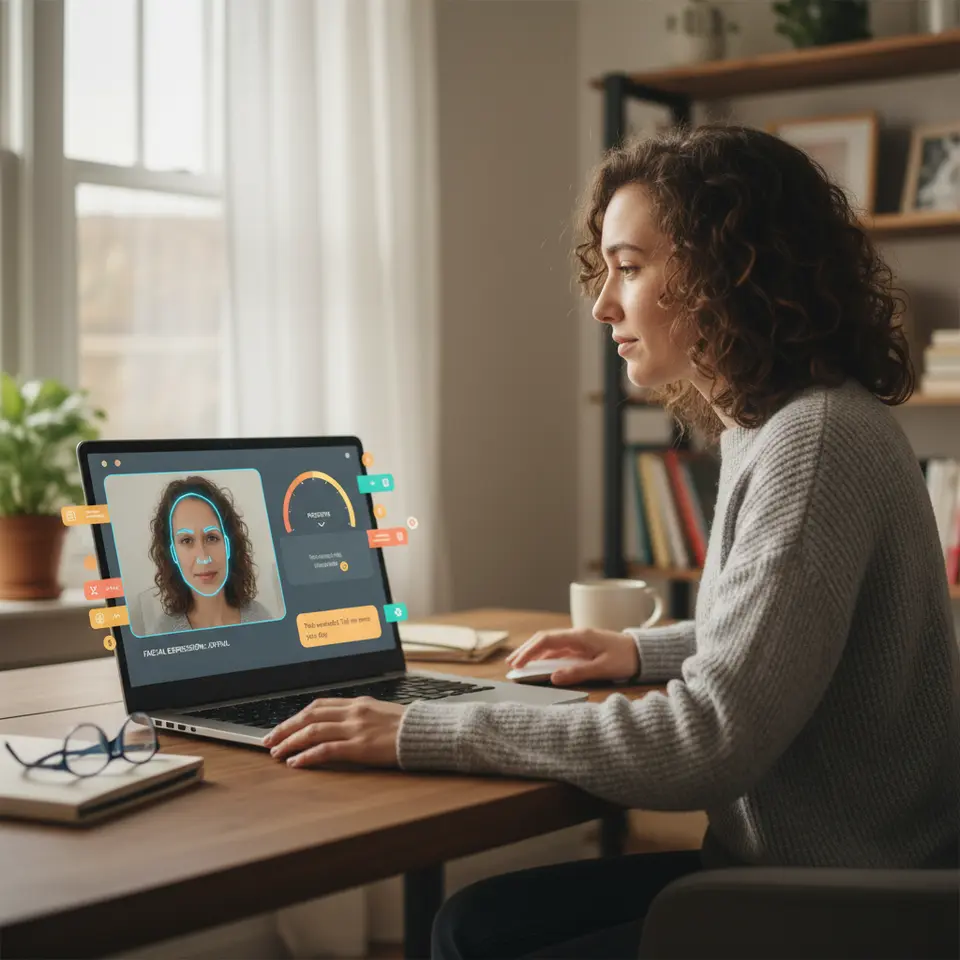
Computer vision techniques further enhance emotional design by decoding facial expressions and body language from webcam feeds, provided privacy and consent protocols are rigorously followed. This data allows interfaces to adapt color schemes, adjust on-screen guidance, or change micro-animation styles to better match a user’s current mood. AI-driven personalization extends to predictive analytics, mapping typical emotional journeys—from onboarding excitement to potential pain points later in the workflow and proactively injecting supportive micro-interactions.
Leading research institutions like Stanford HCI Group are pioneering studies that demonstrate improved retention and satisfaction when AI-tailored emotional design is implemented. In this year (2026), organizations that harness these AI capabilities in product development stand to gain significant competitive advantage by delivering experiences that feel both intuitive and emotionally attuned.

Practical Strategies for AI-Driven Emotional Design
Implementing AI-driven emotional design requires a blend of data science, UX best practices, and ethical considerations. Below are five strategies to integrate into your design process:
1. Personalized Content Sequencing
Utilize AI algorithms to analyze past behaviors, preferences, and engagement metrics. Based on these insights, serve tailored headlines, imagery, and calls to action. For example, if data shows a user responds positively to supportive language, adjust copy to reflect empathy and encouragement. This dynamic approach ensures that each touchpoint aligns with the user’s emotional profile.
2. Real-Time Sentiment Adaptation
Embed sentiment analysis into chatbots and support widgets. When frustration is detected through negative keywords or delayed response times, the interface can simplify processes or offer human assistance. Alternatively, positive sentiment cues can trigger upsell opportunities presented in a warm, appreciative tone that honors the user’s experience.
3. Emotion-Aware Micro-Animations
Subtle haptic feedback, sound design, and motion graphics can heighten emotional engagement. AI can determine which animation style—bounce, fade, or slide—best suits a user segment based on demographic and session context. Younger audiences might receive playful, energetic effects, while professional users experience sleek, minimal transitions that convey reliability.
4. Contextual Theme Variants
Develop multiple interface themes—for instance, light, neutral, and vibrant—and let AI choose the optimum variant each session. By A/B testing these emotional designs at scale, teams learn which combinations of color palettes, fonts, and imagery yield maximum engagement for distinct user groups, refining the experience continually.
5. Predictive Emotional Journeys
Train machine learning models to map common emotional trajectories, such as excitement during sign-up and relief upon completion of tasks. Anticipate potential drop-off points and insert timely micro-interactions, like progress indicators or congratulatory badges, to maintain momentum and reinforce positive emotions throughout the user journey.
Key Tools and Technologies for Emotional UX Innovation
A variety of platforms and libraries empower teams to build AI-driven emotional design efficiently:
IBM Watson Tone Analyzer
This service performs real-time sentiment and tone analysis on text inputs. It helps detect emotions in user feedback, enabling interfaces to adapt messaging instantly.
Microsoft Azure Emotion API
With facial expression recognition and mood analysis from images and video, this API offers robust emotion detection capabilities, provided secure data handling and user consent are established.
Adobe Sensei
An AI engine embedded within Adobe Experience Cloud, Sensei automates tagging, image enhancement, and dynamic layout adjustments based on individual behavior patterns captured across digital channels.
Figma AI Plugins
Plugins like Contrast Grid AI suggest style adjustments for improved accessibility and emotional clarity. These tools help designers prototype emotion-centric variations rapidly.
Open-Source Libraries
Frameworks such as TensorFlow.js and Hugging Face Transformers allow custom in-browser sentiment and emotion recognition models, offering flexibility for tailored implementations while retaining control over data privacy.
Each of these technologies accelerates the creation of emotional experiences by automating analysis and adaptation workflows, freeing designers to focus on creative strategy and ethical considerations.
Real-World Applications and Case Studies
Studying successful deployments of AI-driven emotional design reveals valuable lessons and best practices:
Mental Health Support Platform
A digital journaling app integrated real-time sentiment analysis to detect negative emotions. When users expressed distress, the system suggested guided breathing exercises and empathetic chat prompts. Over three months, daily active usage increased by 35%, and churn dropped by 20%, demonstrating how compassionate AI interactions nurture user well-being.
E-Commerce Fashion Retailer
An online apparel store applied AI to assess sentiment in customer reviews and browsing behavior. By dynamically adjusting product imagery to brighter, more vibrant color schemes for users displaying positive cues, the brand achieved a 25% lift in click-through rates and a 15% increase in average order value.
Interactive Language-Learning Platform
Leveraging voice intonation analysis, a language app provided learners with immediate feedback on enthusiasm and clarity during speaking exercises. Motivational prompts were delivered when users improved their cadence, resulting in a 40% rise in module completion within four weeks.
These case studies underscore the importance of integrating AI thoughtfully, respecting user privacy, and continuously refining emotional touchpoints. Organizations today can replicate these successes by aligning technical capabilities with human-centered design principles.
FAQ
What is AI-driven emotional design?
AI-driven emotional design uses machine learning and AI to interpret user emotions and adapt digital experiences in real time to foster engagement and satisfaction.
How does sentiment analysis contribute to emotional UX?
Sentiment analysis processes user-generated text to gauge emotions, allowing interfaces to respond with appropriate messaging, support, and adjustments that align with user feelings.
Are there privacy concerns with emotion recognition?
Yes, emotion recognition often requires sensitive data such as facial expressions and behavioral patterns. It’s essential to secure user consent, ensure data encryption, and comply with privacy regulations.
Which tools can I use to implement emotional design?
Platforms like IBM Watson Tone Analyzer, Microsoft Azure Emotion API, Adobe Sensei, Figma plugins, and open-source libraries such as TensorFlow.js and Hugging Face Transformers enable emotional design features.
What are the benefits of AI-driven emotional design?
Benefits include increased user engagement, higher conversion rates, improved retention, personalized experiences, and deeper emotional connections that foster brand loyalty.
Conclusion
AI-driven emotional design offers a pathway to create digital experiences that feel tailor-made, responsive, and human. By combining behavioral science with machine learning, products can interpret user signals and adapt interfaces in real time, fostering trust, delight, and long-term engagement. As we navigate the complexities of this year (2026), it remains essential to balance innovation with ethical stewardship. Secure user consent, protect sensitive data, and ensure transparency as you deploy AI models that influence emotions. Embrace the strategies, leverage the tools, and learn from proven case studies to elevate every interaction into a meaningful moment. Through purposeful design and intelligent automation, brands can forge genuine connections, drive retention, and ultimately inspire lasting loyalty in today’s digital landscape.


